This month, Classroom Voces and Teacher’s Discovery are spotlighting authors who’ve turned their real classroom experience into comprehensible readers for World Language classrooms. These are stories born from real teaching experience—written to engage students, build language skills, and deliver results in the classroom.
Meet: Diego Ojeda
Diego Ojeda is a passionate Spanish teacher, a comprehensible poetry author, a blogger, and an accomplished World Language teacher trainer and presenter. He has been recognized and awarded for his outstanding teaching style that he brings to the class and which he enjoys sharing with his colleagues. A native of Bogotá, Colombia, with many years of experience teaching in his native country and in the United States, Diego brings a refreshing cultural awareness and innovative perspective to the teaching of the Spanish language.
Author of: ¡Qué raro!, ¡Qué fuerte!, Poesía Gramatical, Corazón sin borrador, Sonrisas ocultas
-
Why did you decide to start writing comprehensible readers?
I started writing comprehensible poetry and stories because I wanted my students to see themselves in what they read. While there are many wonderful readers available, I often felt that the characters and situations were still somewhat distant from the everyday lives of my students here in the United States.
I wanted to create books that invite students to connect personally with the language. Instead of always observing Hispanic cultures from the outside, students can recognize their own experiences, emotions, friendships, families, and challenges while naturally comparing them with perspectives from the Spanish-speaking world. When students feel that a story could be about them, the language becomes much more meaningful.
-
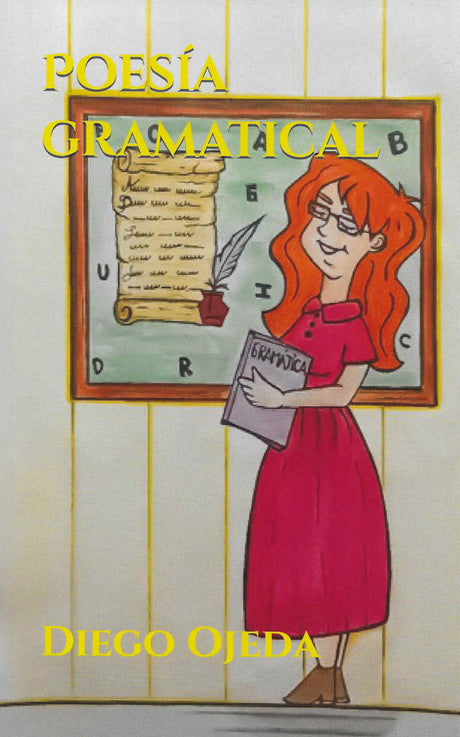
What inspired you to write Poesía Gramatical?
Poesía Gramatical grew out of my desire to teach grammar in a more human and enjoyable way. Students are often introduced to grammar through rules, charts, and isolated exercises. I wanted to show that grammar can also be experienced through meaningful language.
Each poem provides natural examples of grammar within personal situations and emotions that students can easily relate to. Instead of memorizing rules first, students encounter grammar in context, allowing them to notice patterns while enjoying authentic, memorable language.
-
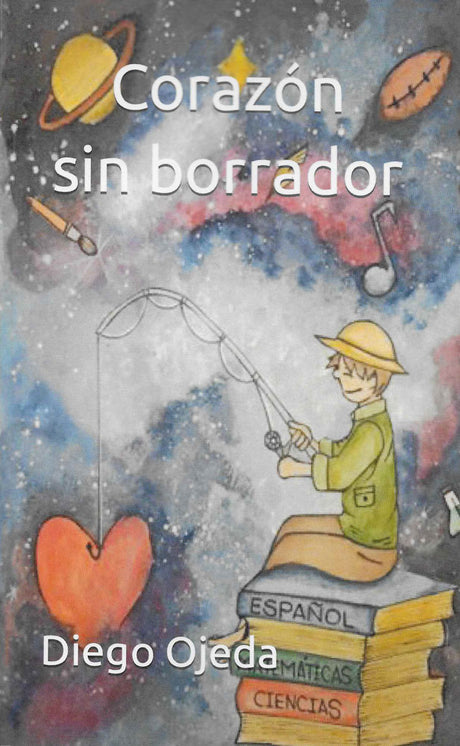
What inspired you to write Corazón sin borrador?
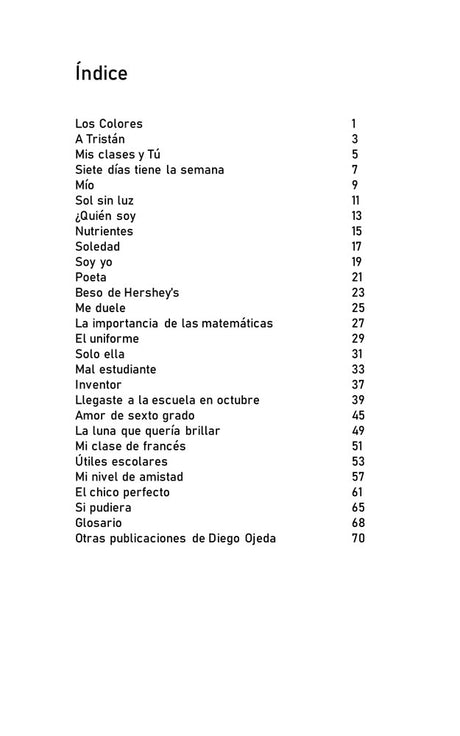
Corazón sin borrador was inspired by my own memories of adolescence—friendships, first crushes, misunderstandings, excitement, disappointment, and all the emotions that come with growing up.
Although the stories are rooted in my own experiences, I quickly realized that today's students connect with them just as deeply. Generations may change, but the emotions of being a teenager remain remarkably similar. I wanted students to realize that language can help us express experiences that we all share.
-
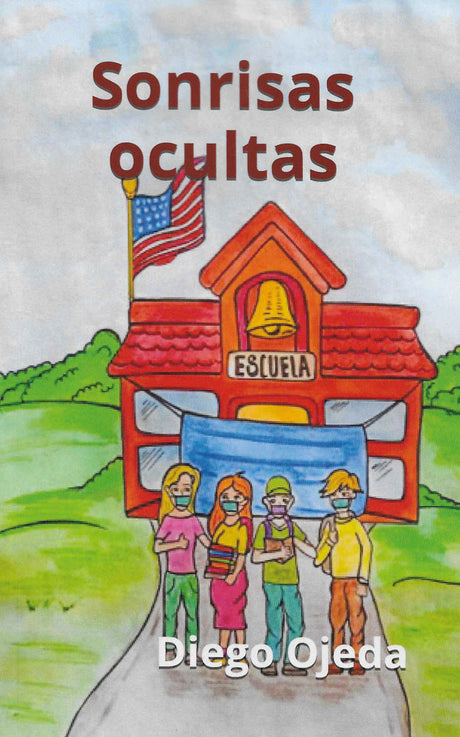
What inspired you to write Sonrisas ocultas?
Sonrisas ocultas was born from a desire to preserve the memories of the COVID-19 pandemic through stories that language learners could actually read.
Although the stories are fictional, they are deeply inspired by the emotions, uncertainty, resilience, and hope that so many of us experienced during that time. There is very little accessible literature for second-language learners that reflects such a significant moment in our recent history, and I wanted students to have the opportunity to process those experiences through Spanish.
-
How do you teach your own books? Do you have a favorite activity or lesson?
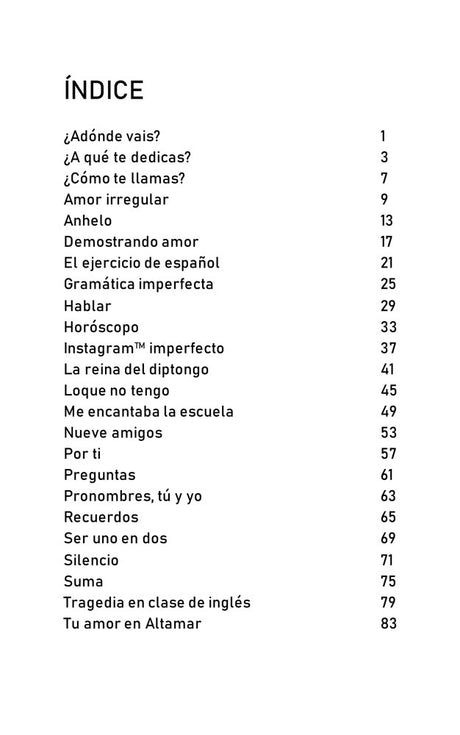
I integrate my poetry books throughout the school year rather than treating them as separate units. Since I have written poetry on a wide variety of topics—food, cities, nature, school, family, relationships, grammar, and even the pandemic—I simply choose poems that naturally complement whatever we are studying in class.
One of my goals is to help students see that poetry is not something reserved for a literature unit. It can become a regular part of language acquisition.
My students especially enjoy illustrating the poems, acting them out, discussing their personal connections to them, and occasionally memorizing short poems to perform. These activities allow them to interact with the language in creative, low-stress ways.
-
How have your own students received the books? What do your students love about reading them?
My students have always responded very positively to the books. They enjoy knowing that their own teacher wrote the stories and poems we are reading together, which creates a special connection in the classroom.
More importantly, they recognize themselves in many of the situations and emotions. The books reflect experiences they have actually lived—friendships, family, school, relationships, personal growth, and everyday life. That personal connection makes reading more engaging and helps students see Spanish not simply as a school subject, but as a language they can use to understand themselves and others.
-
Anything else you'd like to share?
As both a teacher and an author, I never begin by asking, "What book should I write?" Instead, I ask, "What kind of reading do my students need?"
Every title I have written has grown directly from my classroom. My students continue to inspire every new story and every new poem. If a book helps students forget they're practicing a language because they're thinking, laughing, reflecting, or recognizing themselves in what they read, then I know I've accomplished my goal.
Check out titles by Diego Ojeda by clicking the link here.
Join Diego Ojeda and our community of teachers for a Nation Hispanic Heritage Month Webinar where we’ll explore how to use comprehensible literature to bring culture to life in the classroom. Click here to sign up today!