This month, Classroom Voces and Teacher’s Discovery are spotlighting authors who’ve turned their real classroom experience into comprehensible readers for World Language classrooms. These are stories born from real teaching experience—written to engage students, build language skills, and deliver results in the classroom.
Meet: Theresa Marrama
Theresa Marrama has been teaching French to both middle and high school students since 2007. She believes in the power of reading and wants students to be completely engaged and empowered to learn through reading about cultures, life lessons, choices, and more.
Author of: Perdue dans les catacombes, La Maison du 13 rue Verdon, Rhumus à Paris, Léo et Anton, and more
-
Why did you decide to start writing comprehensible readers?
I began writing comprehensible readers in 2017. At the time, there were many excellent Spanish comprehensible input (CI) readers available, but relatively few werewritten for French learners. During a conversation with one of my Spanish colleagues, she asked, "Why don't you write your own CI reader?" That simple question inspired me to give it a try.
What started as an idea quickly became a passion. I discovered how much I enjoyed the creative writing process—developing engaging characters, choosing meaningful themes, and crafting stories that I knew would resonate with my students while providing them with comprehensible, accessible French. Writing readers has allowed me to combine my love of teaching, storytelling, and the French language in a way that directly benefits my students.
-
What inspired you to write Rhumus à Paris, Léo et Anton, Perdue dans les Catacombes, and your other titles?
Each of my books has been inspired by something meaningful, whether it's a personal experience, a favorite film, or themes I know will connect with students.
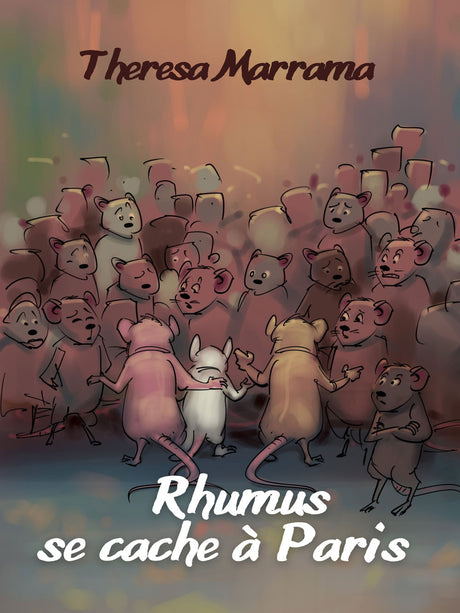
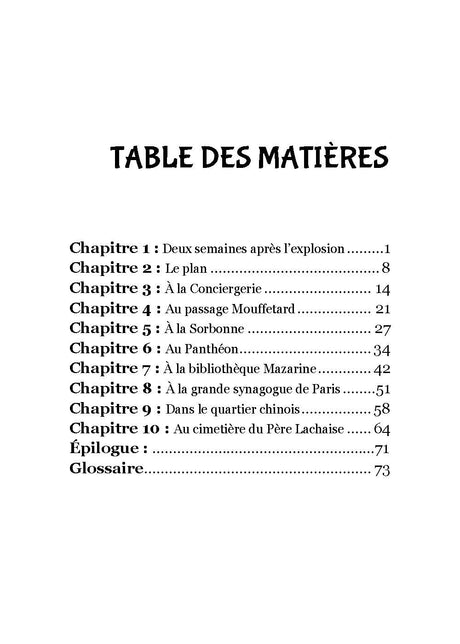
Rhumus à Paris was inspired by the movie Ratatouille. Every year, my students would ask to watch the film during our movie days, and I realized how captivated they were by the charming rat living in Paris. I wanted to create a similar character who could spark students' curiosity while introducing them to the rich culture, history, and iconic landmarks of Paris, as well as some of the not-so-well-known places in Paris.
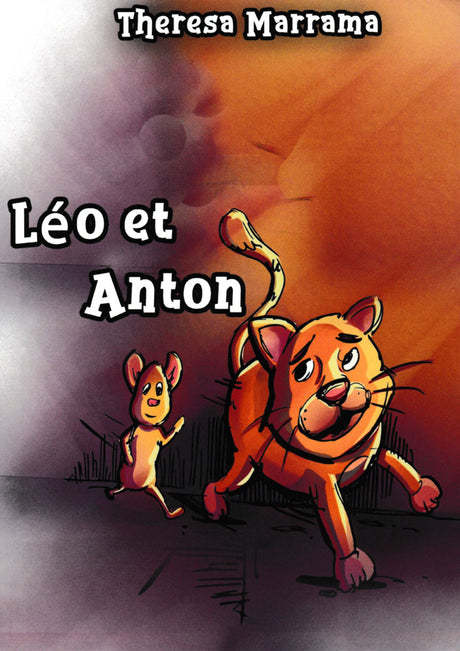
Léo et Anton was inspired by the idea that everyone has fears and insecurities, even if they aren't always visible. Through the friendship between two very different characters, I wanted students to see that our differences are what make us unique and that kindness, acceptance, and friendship can overcome fear and uncertainty. Knowing how much students love animals—especially cats—made these characters even more relatable.
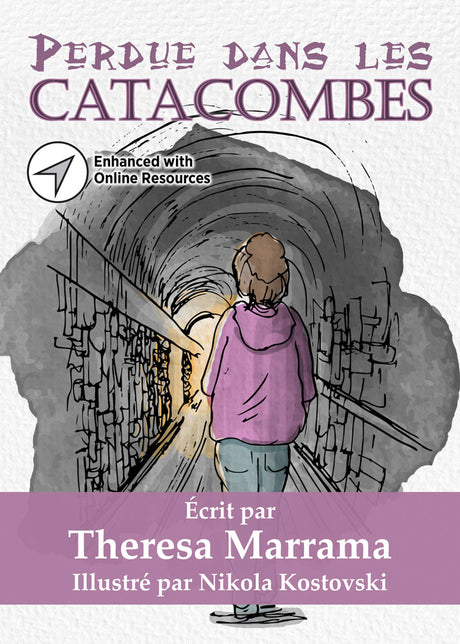
Perdue dans les catacombes explores the importance of family, remembrance, and the lasting connections we share with the people we love, including those who are no longer with us. I've always found the Paris Catacombs both fascinating and mysterious, and they provided the perfect setting for a suspenseful story. Mystery and suspense are two of my favorite genres, and I wanted to create a page-turner that would keep students engaged while reading in French.
Across all of my books, my goal is to create stories that are compelling enough that students focus less on "learning a language" and more on discovering what happens next.
-
How do you teach your own books? Do you have a favorite activity or lesson when teaching them?
I use several of my books as whole-class novels. I teach Léo et Anton, Les Chaussettes de Tito, Une disparition mystérieuse, Zeinixx, Ciberintimidation and many more. Léo et Anton is typically the first novel I teach in my French 7 classes because it naturally encourages students to build connections with one another.
Before we begin reading, I ask students questions such as, What are you afraid of?Do you consider yourself brave? These conversations create an atmosphere of trust and help build a strong classroom community as students discover that many of their classmates share similar fears and experiences.
In addition to class novels, I incorporate Free Choice Reading three times each week. My classroom library includes all of my readers, giving students opportunities to independently select books that interest them. Watching students choose to read in French for enjoyment has been one of the most rewarding parts of my teaching experience.
-
How have your own students received the books? What do your students love about reading them?
My students have embraced the books with tremendous enthusiasm. They are always excited to discover that their own teacher wrote the stories they're reading, and they ask wonderful questions about the writing process, publishing, and—of course—whether I'm famous! Those conversations always make me smile.
More importantly, I see a genuine sense of pride and accomplishment as students finish each novel. Many students who begin the year unsure of their reading abilities leave feeling confident that they can successfully read an entire book in French. Seeing that growth in both confidence and proficiency is incredibly rewarding and reinforces the value of comprehensible readers in the language classroom.
-
Any other insights you'd like to share?
I was initially hesitant to use comprehensible readers in my classroom. Like many teachers, I wondered whether students were truly ready to read entire books in the target language. Once I took that first step, however, it completely transformed my approach to language instruction and opened my eyes to the power of reading.
Comprehensible readers are one of the most effective tools for developing language proficiency in the world language classroom. They provide repeated exposure to high-frequency vocabulary and language structures in meaningful contexts, allowing students to acquire grammar naturally rather than through isolated memorization. Reading also lowers students' affective filters, increases confidence, strengthens reading fluency, and deepens cultural understanding.
Most importantly, comprehensible readers help students experience success. When students realize they can read and enjoy an entire story in French, they begin to see themselves not just as language learners, but as readers of the language—a transformation that has a lasting impact on their motivation and confidence.
You can check out works by Theresa Marrama by clicking here and by visiting her website: www.compellinglanguagecorner.com.