One of the biggest challenges in a World Language classroom is getting students to actually use the language in a meaningful way. Enter Weekend Chat—a simple, low-prep routine that builds confidence, community, and real communicative skills.
Weekend chat is exactly what it sounds like: students talk or write about what they did over the weekend (or will do during the upcoming weekend) using the target language. While it may seem basic, this routine packs a powerful instructional punch when used intentionally. It does not have to be complicated or overly time consuming, and you can make weekend chats as simple or as in depth as you see fit in your students' language learning process. Today’s world language curriculum is all about communication, and what better way for students to personalize their learning than to discuss their weekends together.
Why Weekend Chat Works
It’s personal and meaningful! Students like talking about themselves. And as an added bonus, you get to know your students’ interests. As students talk with their peers about their favorite TV shows, foods, activities, video games, jobs, or even how much they slept over the weekend, they find similarities and common ground. The personal connection increases buy-in and lowers anxiety.
When you make Weekend Chat a classroom routine, students know what to expect. Familiar sentence frames, question stems, and vocabulary reduce cognitive load and allow students to focus on expressing meaning rather than worrying about getting it “right.” Remember, the goal here is communication, not perfection.
Weekend Chats encourage real communication and naturally invite follow-up questions, reactions, and comparisons. These authentic exchanges are exactly what we strive for in acquisition-driven instruction.
Making Weekend Chat Work for All Levels
There are so many ways you can incorporate the idea of Weekend Chat into your world language curriculum.
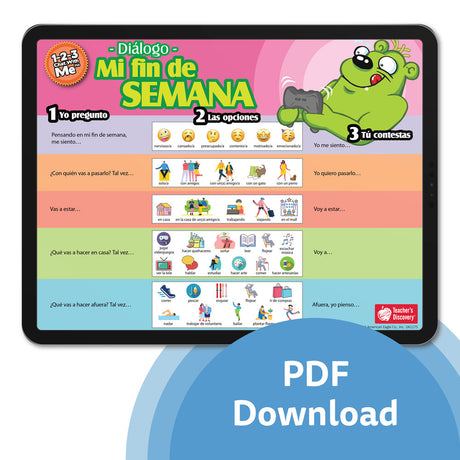
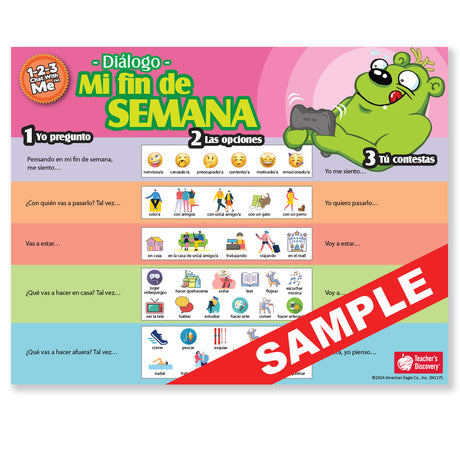
Novice Learners: Use visual, sentence starters, and word banks. Simple chat mats are a great way to provide a much needed resource to your students without adding more prep for you. Model the idea for your students, using pictures from your weekend. Place simple questions on the board for students to ask each other, after you’ve introduced the idea. Follow this up by having students walk around and sign under what they did, then come back and create a discussion of simple yes/no questions.
Intermediate Learners: Have students talk with a partner or small group about their weekends. Get your class moving on a drab Monday by asking them questions and having them move to various sides of the room to answer your questions. You could even have students draw an image to represent something from their weekend and then have a partner (or the whole class), discuss what they see in the image, then write about their weekends in the target language. If the usual routine starts getting old, change it up and have students browse social media to see what their favorite celebrity did over the weekend, then talk about that in the target language.
Advanced Learners: Continue with the ideas explained above, but add opinion and reflection prompts. Ask students to compare weekends or discuss routines. Incorporate spontaneous discussion or debates.
Scaffolding is Key
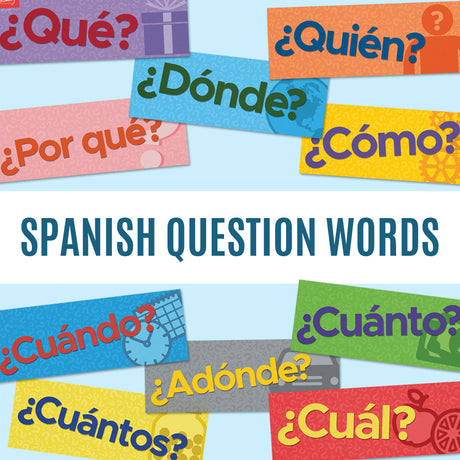
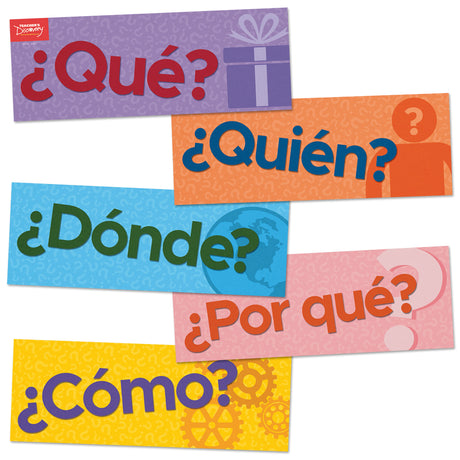
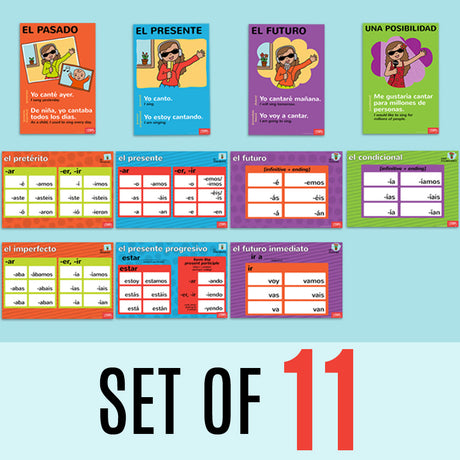
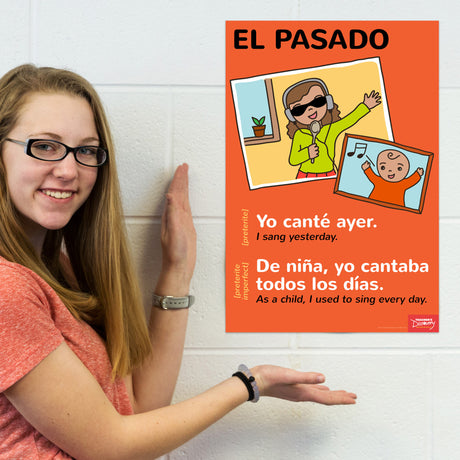
Post helpful supports around your room, like high frequency verbs, question words, and verb tense reference charts. Refer to these constantly during weekend chat. This not only supports language production but also trains students to use classroom resources independently.
More Than Just Idle Talk
Weekend chat does more than fill the first ten minutes of your Monday or Friday routine. It builds classroom community, normalizes speaking in the target language, reinforces high-frequency structures, and gives students ownership of their learning. Over time, students stop seeing the language as an academic subject and start using it as a tool for connection and that’s the real win.