Understanding Acquisition-Driven Instruction: A Simple Guide for Language Teachers
Imagine a third-year Spanish class where the teacher has just finished a unit on the environment. Students were asked to memorize a range of vocabulary words related to the theme, such as el medio ambiente, ahorrar energía, and la contaminación. The grammar focus was on using the subjunctive to express wants and needs, so students wrote sentences like Quiero que tú recicles papel or Es necesario que la gente no contamine el agua. Assessment scores indicated that students had mastered the material, but just a few weeks later, students had forgotten much of the vocabulary and, in spite of all their subjunctive practice, wrote sentences like Yo quiero tú trabajar con Alma (sic).
Instances like the one described above where students quickly forget most things previously covered in class happen often in traditional world language classrooms. This pattern is a constant source of frustration for teachers, who may feel that their time and effort have little lasting impact on students’ long-term language learning and development. For these reasons, many language educators are turning to Acquisition-Driven Instruction (ADI) as a more effective teaching alternative and are considering how to align ADI strategies with their existing world language curriculum.
What is Acquisition-Driven Instruction?
Acquisition-Driven Instruction is an approach that focuses on building language proficiency through implicit learning. By interacting with language that is both comprehensible and engaging, students gradually and subconsciously acquire vocabulary and expressions in the target language, thereby developing overall proficiency over time. This approach seeks to help students develop second-language proficiency by mimicking the natural process through which they acquired their first language.
How is ADI more effective than traditional world language teaching approaches?
In traditional classes, it is common for students to memorize long lists of vocabulary and grammar rules. These activities are examples of explicit language instruction. The problem with explicit language approaches is that few students can achieve long-term success with this type of approach. As Dr. Bill VanPatten explains in his book While We’re On the Topic: BVP on Language, Acquisition, and Classroom Practice, language is too complex for most people to master through explicit instruction. In addition, explicit language knowledge does not ever become implicit language because they are stored in two different regions of the brain. This means that while students may be able to recall vocabulary and grammar rules temporarily, they often struggle to use the language fluently and naturally in real-life situations.
In ADI classes, students engage with level-appropriate comprehensible input and gradually build proficiency through repeated, meaningful interactions with the language. Classroom activities prioritize authentic communication over accuracy, allowing students to use the language naturally and in real-world contexts, and high-frequency vocabulary.
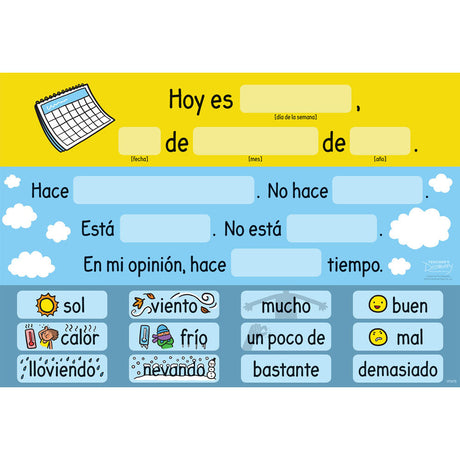
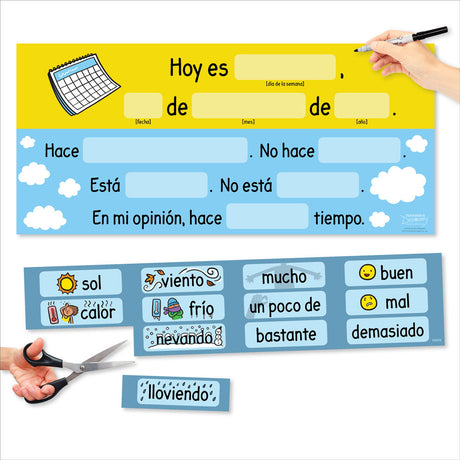
In an ADI classroom, every routine, interaction, and classroom tool is carefully geared toward spontaneous, genuine interaction. For example, the teacher might dedicate the beginning of class to discussing the weather, then move into a story or cultural lesson that focuses on high-frequency verbs, and encourage students to react to classroom events with fun rejoinders in the target language. The result is that students internalize language in a way that leads to deep and long-lasting retention. In addition, since perfection and accuracy are not the focus, students often feel less pressure and anxiety in ADI classes than in traditional ones, which helps students develop the confidence they need to use the language both in and out of the classroom.
How can teachers incorporate ADI in their language classes?
Teachers who want to incorporate ADI in their language classes need to shift their focus away from the rules and structure of the language and concentrate on helping students understand and use language in meaningful contexts. This means ensuring that students are constantly and continually exposed to comprehensible language in a variety of formats and limiting grammar instruction to quick, targeted explanations called Pop-Up Grammar that are presented in context and support understanding (click here for more information about Pop-Up Grammar and here for more about teaching grammar in context).
Learning how to teach with ADI can seem intimidating at first, but it is both easy and rewarding when broken down into actionable strategies. The techniques listed below are the easiest to get started with and fit into most world language classrooms.
-
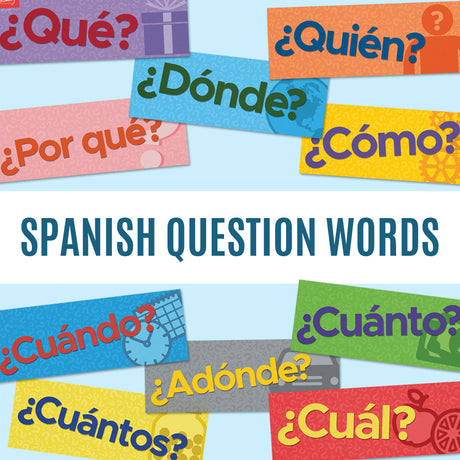
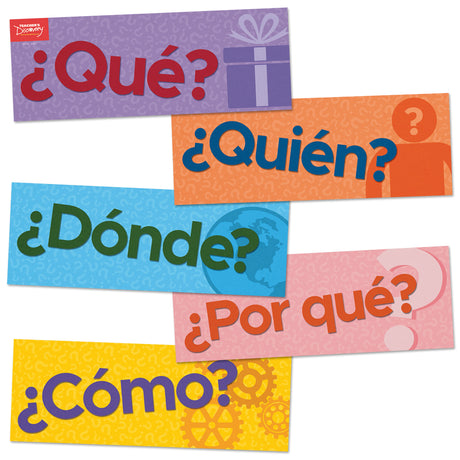
Personalized Question and Answer (PQA). This is an activity where teachers ask questions about students' lives, interests, and experiences in the target language and then lead a class discussion based on student answers. Since teachers ask questions repeatedly using the same vocabulary, students are more likely to acquire those structures since they hear and interact with them in multiple contexts. You can read more about PQA here and watch this video of a teacher using this strategy in a classroom. You may also want to consider hanging these signs to facilitate PQA in your class.
-
Picture Talk. In this activity, a teacher shows the class a picture, describes it, and asks students questions about it. This approach is highly versatile, as the image can represent media from the target culture, and the teacher can also extend this activity through PQA to engage students more deeply with the content. You can learn more about Picture Talk here.
-
Clip Chat. This activity is similar to a Picture Talk but uses a short, usually wordless, video clip instead of a picture. You can read more about Clip Chat here.
-
Write and Discuss. Write and Discuss is an activity that involves the teacher and students creating a summary together about a shared class experience (a conversation, a clip chat, a shared story). This is a very beneficial activity because it provides rich, comprehensible input and models the writing process in real time. You can read more about Write and Discuss here.
-
Extensive Reading. Dr. Stephen Krashen, one of the most influential scholars in the field of second language acquisition, strongly advocates for the use of reading in world language classrooms, through Free Voluntary Reading (FVR) and through guided, whole-class reading experiences. According to Krashen, sustained exposure to comprehensible and engaging texts allows learners to naturally internalize vocabulary, grammatical structures, and spelling without direct instruction. At the same time, shared class reading provides essential scaffolding and comprehension checks that help students access meaning and build confidence as readers. You can hear Dr. Krashen’s comments about reading here, find practical guidance for implementing an FVR program in the classroom here, and access a list of pre-reading, reading and post-reading strategies here.
Incorporating these activities into the world language curriculum ensures that students receive meaningful, repeated exposure to language, which is essential for long-term acquisition.
How can teachers learn more about incorporating ADI in their language classes?
Professional development for teachers is key to understanding and applying ADI strategies effectively. This free resource, called The Hub, with its impressive collection of self-guided training tutorials, is a great place to start. Teachers can also deepen their understanding by reading books about teaching with stories, like this one, attending in-person trainings and conferences, and observing classrooms that use ADI. Investing in professional development for teachers allows educators to improve their practice and design a world language curriculum that truly supports lasting language learning.
Can Teachers Create More Lasting Language Learning Experiences with ADI?
By incorporating ADI approaches in the classroom, students can acquire language naturally over time instead of memorizing it and then forgetting it. This new approach to language learning does require teachers to change how they plan and teach, but it is worth the effort. Since students stay more engaged, understand more, and develop stronger, longer-lasting language skills, teaching becomes much more rewarding.