Teaching Shakespeare can feel like a daunting task, especially when students are immediately put off by the archaic language and the unfamiliar genre of a play. Our goal as educators is to bridge that gap and show them the enduring power and fun of the Bard. It all comes down to finding the right strategies and, most importantly, the best Shakespeare resources. Here are some of the tools and approaches that have been highly successful in my classroom for transforming student comprehension and engagement.
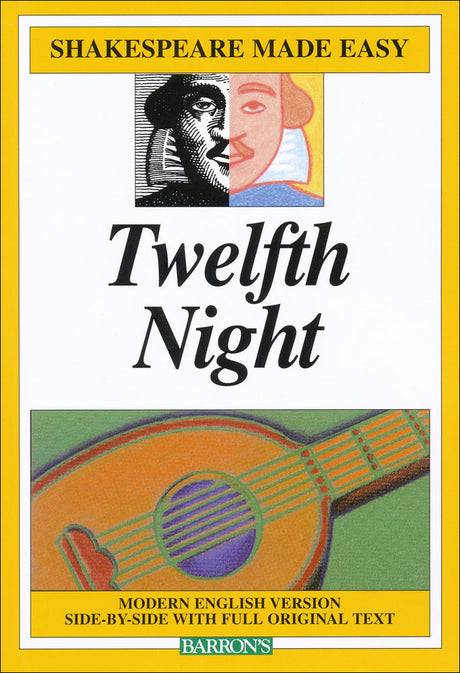
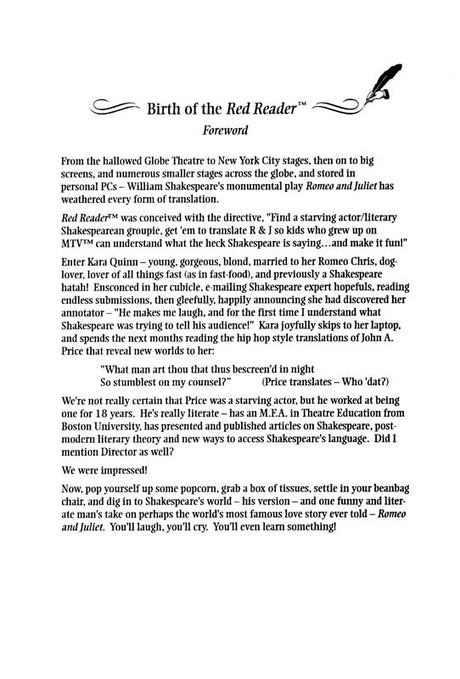
The unfamiliar language is often the biggest hurdle. While it’s crucial for students to read the actual text, providing immediate support is key. I’ve found the Shakespeare Made Easy series to be an excellent tool for this. These editions allow students to read the original Shakespearean text on one side of the page while accessing a modern language translation on the other. This scaffolding prevents frustration and builds confidence. To help students truly understand the nature of Shakespeare’s English, I use the YouTube video, “How far back in time could you go and still understand English?” This video is great because it helps students realize that Shakespearean English is essentially modern English, shifting their perspective from intimidation to familiarity. Furthermore, a “Shakespearean Insults Contest,” inspired by the Folger Shakespeare Library resources, is a hilarious way to get students immersed in the language. The winner walks away with ultimate bragging rights!
Since many students may not have read a play before, reading the play aloud in class is absolutely essential. Hearing the rhythm and dramatic structure helps them internalize the text as a performance, not just a poem. To build historical context, the A&E biography is a fantastic resource, offering a concise introduction to who Shakespeare was and the world he lived in. We also use YouTube extensively to show key scenes from the plays. For Romeo and Juliet, I often start with clips from the older film versions to establish the traditional setting, but the newer versions are invaluable for stimulating fun and relevant discussion about interpretation and adaptation.
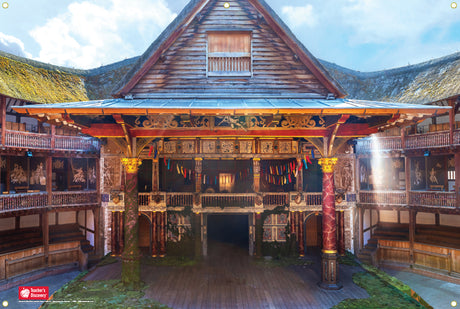
Beyond the text, understanding the genre of drama is vital. The Royal Shakespeare Company (RSC) offers outstanding Shakespeare resources geared toward the plays most commonly taught. The resources for Romeo and Juliet include specific teaching ideas like “Fighting Talk” and “Party Crashers.” This year, I focused on the crucial decisions made by actors and directors, focusing on elements like staging and scene blocking. RSC’s videos for key scenes were invaluable. You can find the links on their website and see this video for an example. Additionally, the Folger Shakespeare Library provides a wealth of teaching materials that emphasize active learning and deep engagement with the material. By combining these practical editions, visual aids, and theatrical resources, we can successfully guide our students past their initial challenges, making Shakespeare accessible, fun, and relevant to the 21st-century classroom.
Janie Hampton is an eighth grade English teacher in Fort Worth, Texas. She has taught English and History for over 20 years, both in the United States and abroad.