As a middle school English teacher, I’ve heard the groans. The moment I mention Shakespeare, students often brace themselves for a linguistic struggle. But every year, I see the same transformation: Once they push past the Elizabethan “thees” and “thous,” they realize the drama unfolding on the page is as current as any show on their streaming lists.
It can be overwhelming at first to think about engaging students with the great Bard. Fortunately, there are Shakespeare teaching activities and resources to help build anticipation and to keep us all motivated. And once we get beyond any fears we might have, Shakespeare can be a wonderful experience for all.
Reading Shakespeare Aloud
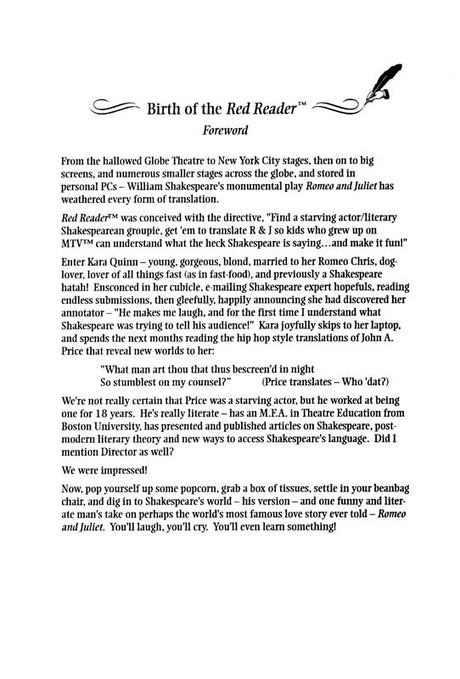
The key to unlocking Shakespeare for younger learners is to treat the language barrier as a puzzle to be solved, not a wall to be avoided. My students find immense success when we actively engage with the text. Reading the play out loud is essential; it transforms the lines from static text into dynamic speech, helping them feel the rhythm and intent behind the words. We also dedicate time to specific language exercises that zero in on understanding the syntax and vocabulary. My students have enjoyed a quick matching game: Shakespearean text with a modern translation. As a pre-reading activity it builds stamina and skill, and as a post- or mid-reading activity, it shows the students how much they’ve grown. This direct engagement gives them the confidence to navigate the verse on their own.
Identifying and Connecting with Universal Themes
More importantly, the themes Shakespeare explores are universal and, crucially, relevant to students’ own lives. We often forget that these plays are essentially blueprints for the most significant human conflicts.
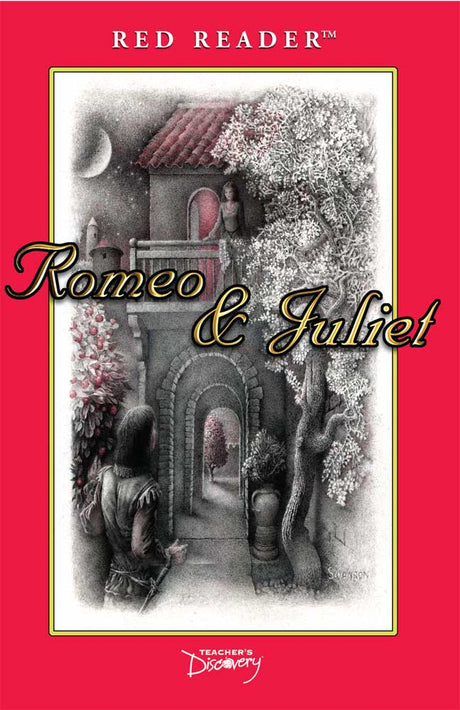
For instance, Romeo and Juliet has long been a cornerstone of middle and high school curriculums. My students don’t struggle to relate to the star-crossed lovers. They immediately grasp the major themes and ideas. Teen romance and the intensity of love at first sight is not a new idea for them, and they certainly have opinions. Defiance of authority, especially parents, is an equally familiar concept; as is impulsivity and the consequences of making fast, emotional decisions.
The drama becomes an intense exploration of their own emotional lives, sometimes uncomfortably so.
The universal nature of Shakespeare’s work is clear when we compare it across grade levels. For my sophomores, we dive into Julius Caesar. While the intricacies of Roman government might go over a few heads, the core human drama does not. They focus intensely on betrayal and friendship with Brutus’ agonizing decision to turn on Caesar. “Et tu, Brute?” And many relate to the concept of manipulation, first with Cassius persuading Brutus and later with Mark Antony’s political maneuvering.
If you’re looking for more resources to assist teaching Shakespeare’s works, more ideas can be found on the Teacher’s Discovery website.
Whether it’s the lethal family feud in Verona or the political backstabbing in Rome, Shakespeare provides a timeless lens through which students can examine complex human behavior. The relevance of what we teach usually matters; students engage when they can apply the information. Shakespeare teaching resources can help. By prioritizing these thematic connections and providing active strategies to navigate the language, we don’t just teach classic literature—we teach empathy, critical thinking, and a deeper understanding of the world.
Janie Hampton is an 8th grade English teacher in Fort Worth, Texas. She has taught English and History for over 20 years, both in the United States and abroad.