The end of the school year isn’t just for wrapping things up and bringing learning to a close. It’s the perfect time to try something new! You’ve spent the last several months building a rapport with your students so they trust you to do what’s best for their language acquisition—and they respect you enough to give you grace when you don’t exactly knock a lesson out of the park. Make the most of this confidence in your classroom by stepping out of your comfort zone and incorporating proven CI strategies that will help you and your students end the year strong. Here are seven CI goals you can set (and attain!) before the last day of school.
1. Make students the focus of your World Language curriculum.
After spending an entire school year together, your students might think that they have learned everything there is to know about one another. Dedicate the last weeks of the school year to discovering the wealth of opinions and experiences everyone brings to the classroom—all in the target language! Personalized Questions and Answers (PQA) are a great way to boost community in your classroom while holding informal conversations in the target language. Plus they’re an easy gateway into acquisition-driven instruction because you can bail out at any time without making it obvious that you’ve run out of steam. Just start asking your students engaging, relevant questions in the target language, and let their responses guide the conversation. When you notice their engagement begin to wane, transition to your regularly-planned classroom activities without a hitch.
Don’t have the creative energy to write your own questions? ¿Quiénes somos? Historias de nuestra clase makes PQA easy with classroom-ready discussion prompts and surveys that build empathy while strengthening proficiency.
2. See the world through languages.
You’ve heard a picture is worth a thousand words, and that goes for the target language, too! Show your students that language is more than just words—it’s a vehicle for experiencing and interacting with the world around them. Picture Talk is a powerful strategy for getting students to make observations and express their interpretations in the target language. You can set Picture Talk aside as an independent language learning activity, or you can weave it into any existing lesson to stimulate curiosity and emphasize connections. Like PQA, Picture Talk is a low-risk CI activity because you can abandon it at any time. Just show your students a high-interest photo, ask a few guiding questions, and watch where their imaginations will take you. When you notice a lull in the conversation, you can quickly segue into one of your go-to lesson activities.
Save time scouring the internet for quality pictures and get guided discussion ideas with Picture Talk resources for Spanish, French, and German. With 25 compelling images and engagement-boosting activity variations, you can make Picture Talk a regular occurrence in your classroom for the rest of the school year. New to Picture Talk? Learn more about this strategy in The Hub from Voces Digital.
3. Create stories and memories together.
Storyasking is a staple of the acquisition-driven classroom because it draws students into the plot and makes them forget they’re listening to a new language. When students are invested in the outcome of your story, they feel a deeper connection to the characters, the language, and each other. And when a story impacts your students in a certain way, they’ll recall the experience—and the language—for years to come.
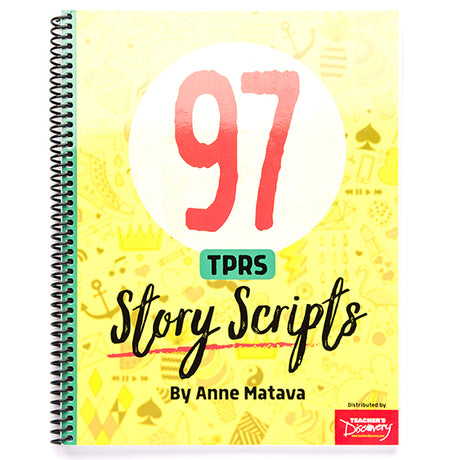
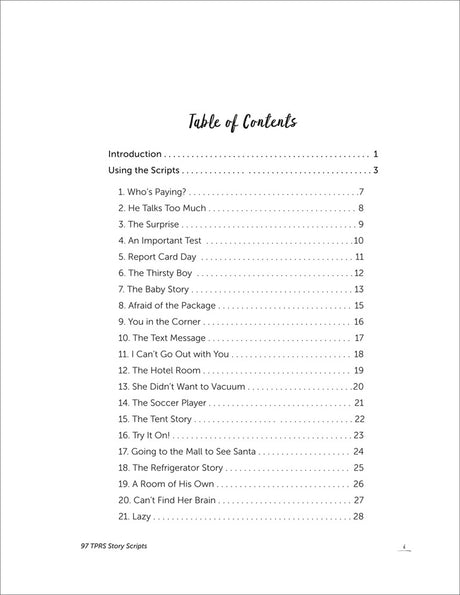
You don’t have to be a master storyteller or a comedian to create captivating stories with your students. 97 TPRS Story Scripts removes the pressure to put on a performance in class and lets you and your students simply enjoy the language with masterfully crafted and subtly humorous stories that work with any language learning goals.
4. Elevate your co-created stories.
Storyasking can feel like a bit of a commitment, since every story carries the implicit promise to take your students from “once upon a time” all the way to “the end.” How can you keep the momentum going detail after detail, story after story, without wearing yourself—and your students—out? Create routines in your classroom that make it easy to manage students’ responses for adding details into your story. Try rolling story cubes to take the impetus off your students’ imaginations and let them relax into the story.
Looking for story ideas that are more target-language specific and comprehensible to first-year students? Story Builder keeps stories moving forward with beginner-friendly characters, settings, objects, animals, and wild card options to spark students’ imaginations. Try Story Builder with your next co-created story and see how much more enjoyable language acquisition can be when students don’t have to worry about coming up with the perfect story elements.
5. Learn from authentic voices.
The sun is shining, you’ve worked hard all year, and the much-needed break of summer vacation is still weeks away. The good news is that you don’t have to be your students’ only source of comprehensible input! In fact, using authentic materials and incorporating native-speaker perspectives can seem more “real” and appealing to students than another day of contrived and controlled interactions in the classroom.
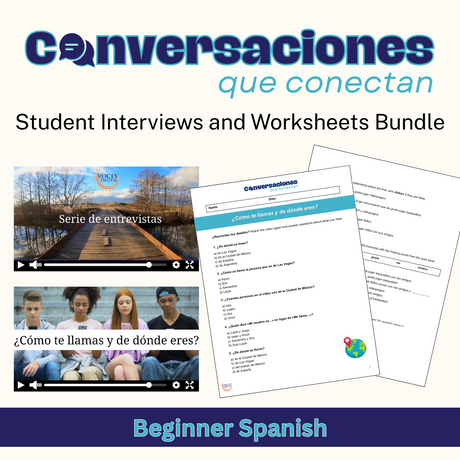
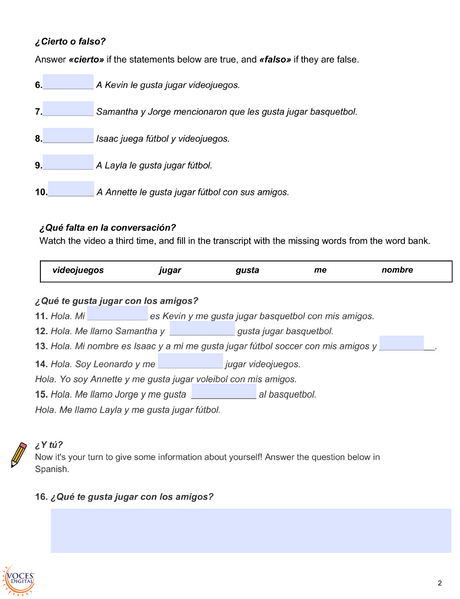
Help your students connect to the target culture—and one another—with Conversaciones que conectan. Your students will watch video interviews of native speaking teens talking about the topics that interest them most, and will apply what they’ve learned in conversations with their peers. With Conversaciones que conectan, you can give your voice a rest and let teen-relevant, student-centered conversations guide your class.
6. Make small talk a daily priority.
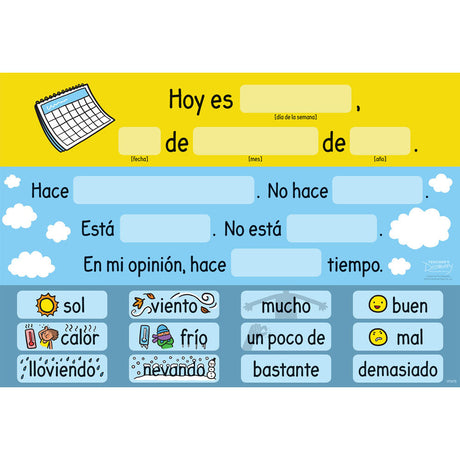
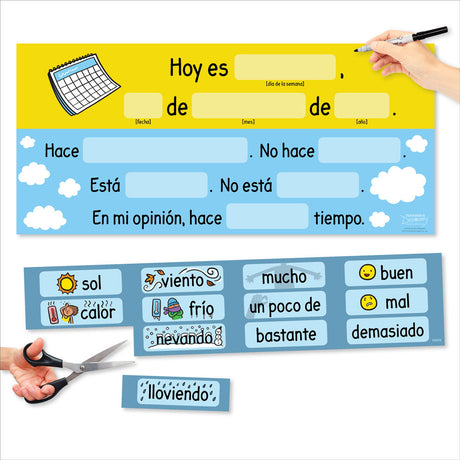
By this point in the school year, your students are eager to show off what they can do with the language, but might still be too timid to open up. Calendar Talk is a powerful classroom routine that feels like casual small talk but yields huge gains in language acquisition and confidence. With Calendar Talk, your students will relax into the comfortable familiarity of idle chat while getting to know more about their classmates and absorbing tons of relatable comprehensible input. Try starting your classes with Calendar Talk for the rest of the year and watch your students become more talkative in the target language.
Give yourself and your students a springboard for your daily Calendar Talk with Tina’s Weather Station. With essential vocabulary and comprehension-boosting visuals, this calendar is more than classroom décor—it’s the foundation of meaningful conversations in the target language.
7. Sprinkle CI into your existing lessons.
When you’re first starting out, Comprehensible Input methods can feel like a completely different way of thinking about language learning. No wonder so many teachers are intimidated to try it! If you’re ready to dip your toes into the ocean of CI strategies, start by anchoring yourself to what you know. Look for small ways that you can “comprehensify” your lessons, even for just a few minutes at a time. Take your students’ vocabulary list and fold the words into a creative thematic story, or write a cultural reading that demonstrates key grammatical points from your unit.
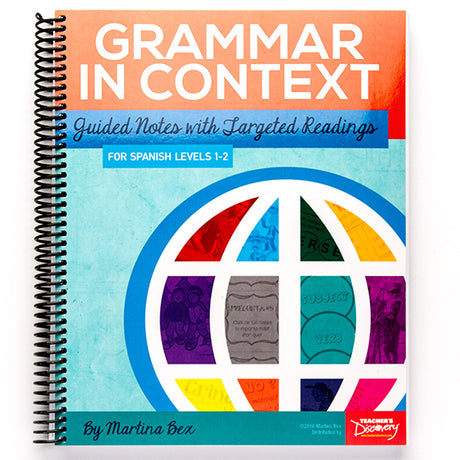
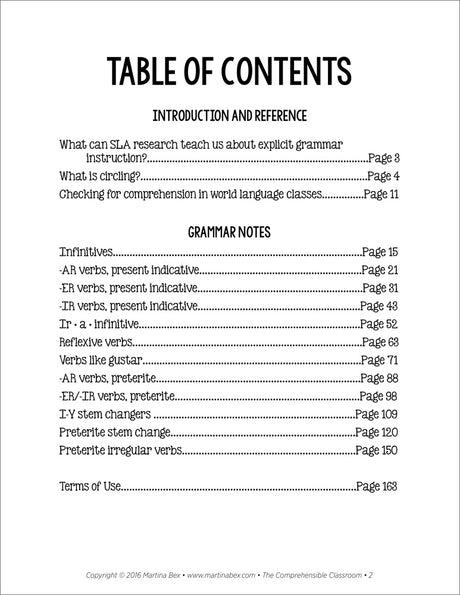
If you’re a grammar-based teacher interested in CI but not yet ready to take the plunge, Grammar in Context is a great option to review the year’s important grammar concepts in a way that feels new and exciting—but not overwhelming.
With the end of the school year on its way, now is the time to experiment with new teaching strategies and identify the techniques you want to master for next year. Your students will welcome the change to your regular routine. And if it doesn’t go perfectly, you have the whole summer to recover and refine before next year!